

How to Store Test Results Securely for Men’s Health in 2025
| Undeez

Storing men’s health test results might sound like a simple file cabinet issue and anyone with a smartphone or cloud account has options. But here’s the shocker. Nearly 30 percent of healthcare data breaches start with unsecured personal files or hacked cloud storage. Digital isn’t always safer than paper, and that means what you do next with those test results could make all the difference for your privacy in 2025.
Table of Contents
- Understanding Risks Of Unsecured Test Results
- Best Practices For Storing Results At Home
- Choosing Secure Digital Storage Options
- Safely Sharing Test Results With Doctors
Quick Summary
| Takeaway | Explanation |
|---|---|
| Understanding Risks of Unsecured Test Results | Men’s health test results are highly sensitive; improper storage can lead to identity theft, discrimination, and personal stress. |
| Best Practices for Home Storage | Implement a balanced approach with encrypted digital storage and secure physical document management to ensure maximum privacy protection. |
| Choosing Secure Digital Storage Options | Select cloud or specialized medical document storage solutions with strong security features like end-to-end encryption and compliance certifications. |
| Safely Sharing Test Results | Use secure channels for sharing medical test results, such as encrypted portals and verified email protocols, while ensuring compliance with consent regulations. |
Understanding Risks of Unsecured Test Results
Men’s health test results contain highly sensitive personal information that demands rigorous protection. Improper storage and management of these documents can expose individuals to significant privacy risks, potential discrimination, and personal vulnerability.
Digital Vulnerability and Personal Data Exposure
Electronic health records have dramatically transformed how medical information is stored and shared. However, this digital convenience comes with substantial cybersecurity challenges. Research from the National Library of Medicine reveals that healthcare data remains a prime target for cybercriminals, with test results representing particularly valuable personal information.
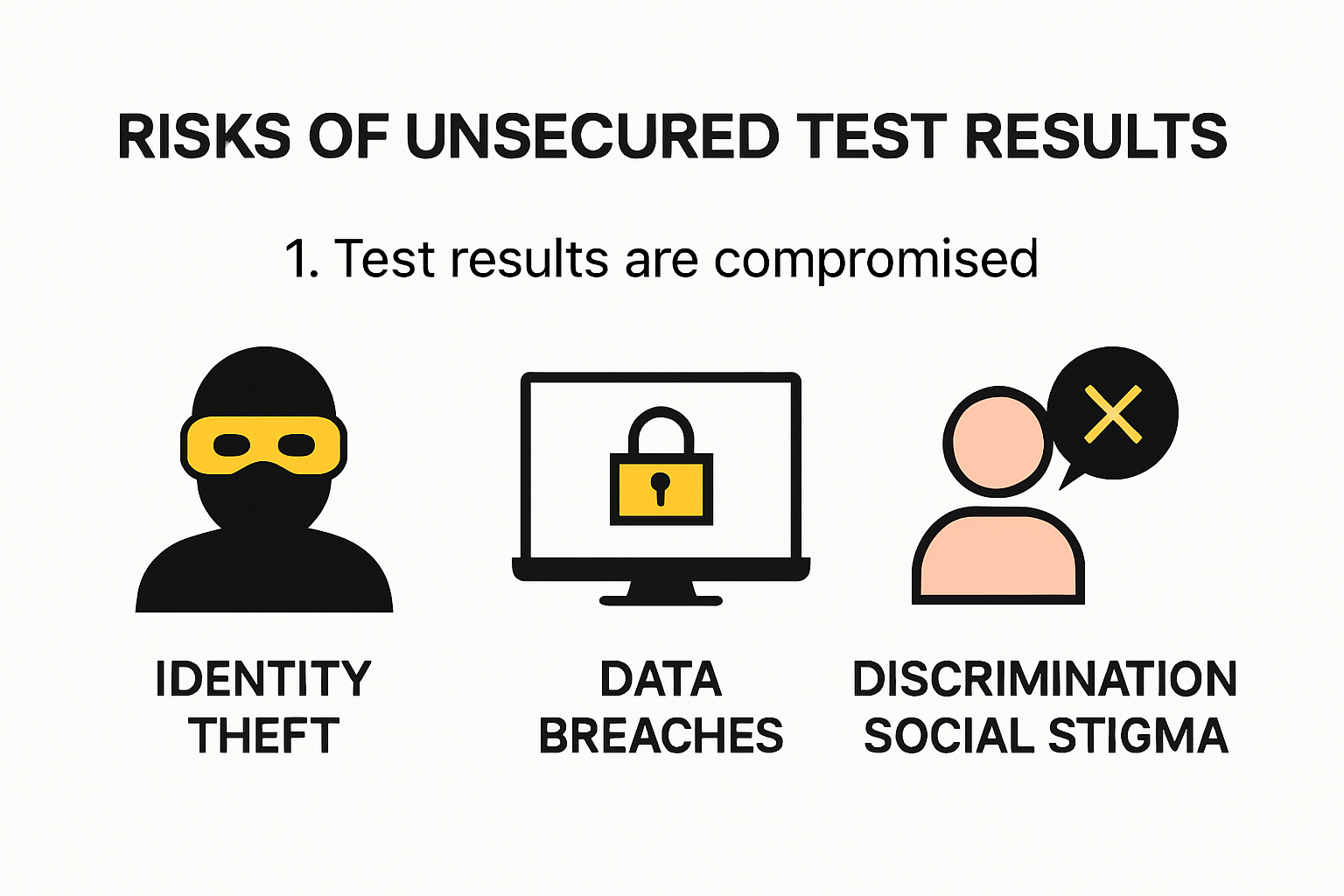
Unprotected test results can lead to multiple risks:
- Identity Theft: Comprehensive personal health information enables sophisticated identity fraud
- Professional Discrimination: Sensitive health data could potentially impact employment opportunities
- Social Stigma: Unauthorized disclosure of medical information might compromise personal relationships
Legal and Privacy Implications
According to the US Department of Health & Human Services, protecting electronic protected health information (ePHI) is not just a recommendation but a legal requirement. The HIPAA Security Rule mandates strict procedures to prevent unauthorized access and potential data breaches.
Men seeking reproductive health testing must understand that their results contain highly confidential details. From genetic predispositions to fertility metrics, these documents represent deeply personal information that requires maximum security protocols.
Psychological and Professional Consequences
Beyond immediate privacy concerns, unsecured test results can trigger significant psychological stress. A study in the Journal of the American Medical Informatics Association highlights how potential exposure of sensitive medical information can lead to profound personal and professional consequences.
Improper data management might result in:
- Unexpected workplace discrimination
- Personal relationship complications
- Potential insurance coverage challenges
Individuals must recognize that protecting their health information is not just about preventing data theft but safeguarding their personal dignity and future opportunities. Implementing robust, secure storage strategies becomes crucial in maintaining control over one’s most intimate medical data.
For men considering comprehensive privacy strategies for reproductive health testing, understanding these risks is the first step toward developing a comprehensive protection plan.
Best Practices for Storing Results at Home
Securing men’s health test results at home requires a strategic approach that balances accessibility with robust privacy protection. Creating a comprehensive system for document management goes beyond simple file storage and demands careful consideration of digital and physical security measures.
Digital Storage and Encryption Strategies
Johns Hopkins Medicine recommends developing a systematic approach to medical record management. Digital storage offers convenience but requires multiple layers of protection. Start by using encrypted digital platforms specifically designed for medical document storage.
Key digital security recommendations include:
- Password Protection: Create complex, unique passwords for digital storage platforms
- Two-Factor Authentication: Enable additional verification steps for accessing sensitive documents
- Regular Software Updates: Maintain current security patches on all devices and storage platforms
The University of Washington Libraries emphasize the importance of role-based access control. This means limiting document access to only those individuals who absolutely require the information, reducing potential exposure risks.
Physical Document Management
Physical copies of test results demand equally rigorous protection strategies. Consider investing in a fireproof and lockable document safe dedicated exclusively to medical records. This approach provides multiple layers of security against potential theft or accidental exposure.
Recommended physical storage practices:
- Store documents in a secure, temperature-controlled environment
- Use locked filing cabinets with limited key access
- Maintain a separate, secure location for backup copies

Digital and Physical Hybrid Approach
The American Academy of Dermatology suggests a comprehensive approach that combines digital and physical storage methods. This hybrid strategy ensures multiple backup options while maintaining strict privacy controls.
Consider creating digital scans of physical documents and storing them in encrypted cloud storage. Simultaneously, maintain physical copies in a secure location. This dual-storage method provides redundancy and protects against potential data loss from hardware failures or physical document damage.
For men interested in comprehensive home testing kit management, understanding these storage protocols is crucial. The goal is not just preservation but creating a systematic approach that protects sensitive health information from unauthorized access while maintaining easy retrieval when needed.
Remember that effective document management is an ongoing process. Regularly review and update your storage strategies, conduct periodic security audits, and stay informed about emerging technologies and best practices in medical data protection.
To help compare the pros and cons of digital, physical, and hybrid storage approaches discussed above, the following table summarizes their key features and considerations:
| Storage Method | Key Features | Pros | Cons |
|---|---|---|---|
| Digital | Encryption, password protection, cloud access | Easy access, space-saving, backup options | Cybersecurity risks, device/software failures |
| Physical | Fireproof safe, locked cabinet, temperature control | Tangible copies, no cyber risk | Prone to physical loss/damage, less portable |
| Hybrid (Digital+Physical) | Combines above, redundant backups | Redundancy, maximized security | More effort to maintain, higher complexity |
Choosing Secure Digital Storage Options
Navigating the landscape of digital storage solutions for sensitive medical information requires careful consideration and strategic decision-making. Men’s health test results demand a storage approach that prioritizes security, accessibility, and privacy protection.
Evaluating Cloud Storage Security Features
Cloud storage platforms have become increasingly sophisticated in addressing healthcare data protection needs. When selecting a digital storage solution, prioritize platforms that offer comprehensive security features specifically designed for medical documentation.
Key security considerations include:
- End-to-End Encryption: Ensure data is encrypted during transmission and storage
- Compliance Certifications: Look for platforms adhering to HIPAA and GDPR standards
- Multi-Factor Authentication: Select services offering robust login verification methods
Research from the ISACA Journal emphasizes that effective data governance is crucial in maintaining the integrity and security of digital health information. This means choosing platforms that not only protect data but also provide clear policies for data management and access control.
Specialized Medical Document Storage Platforms
Generic cloud storage solutions often fall short of the specialized requirements for medical documentation. Dedicated medical document storage platforms offer more targeted security features and compliance protocols.
Consider platforms that provide:
- Granular access controls
- Detailed audit trails
- Automatic document versioning
- Secure sharing mechanisms with healthcare providers
These specialized solutions understand the unique privacy requirements of medical documentation, offering more robust protection than standard consumer-grade storage services.
Self-Hosted and Encrypted Storage Solutions
For individuals seeking maximum control over their health data, self-hosted encrypted storage solutions present an alternative to cloud-based platforms. These options allow complete personal management of digital documents while maintaining high security standards.
Self-hosted storage strategies might include:
- Encrypted external hard drives
- Network-attached storage (NAS) with advanced security features
- Personal cloud servers with robust encryption protocols
Learn more about comprehensive home testing kit management to understand how proper storage integrates with overall health documentation strategies.
Ultimately, the ideal digital storage solution balances security, accessibility, and ease of use. Regularly reassess your storage strategy, stay informed about emerging technologies, and be prepared to adapt your approach as digital security landscapes evolve.
Remember that no single solution fits all needs. Consider consulting with healthcare IT professionals to develop a personalized digital storage strategy that meets your specific privacy and accessibility requirements.
The table below helps organize and compare the key security features and recommendations for different digital storage options mentioned above:
| Storage Option | Security Features | Control Level | Specialized for Medical Use |
|---|---|---|---|
| Standard Cloud Storage | End-to-end encryption, MFA | Moderate | No |
| Medical Storage Platform | Audit trails, access controls, compliance | High | Yes |
| Self-Hosted/Encrypted | Full encryption, personal oversight | Highest | No/Customizable |
Safely Sharing Test Results with Doctors
Sharing medical test results with healthcare providers requires a strategic approach that prioritizes patient privacy, data security, and effective communication. Men must understand the nuanced methods of securely transmitting sensitive health information in an increasingly digital medical landscape.
Secure Digital Transmission Protocols
According to HIPAA guidelines, patients have the right to access and share their health information with healthcare providers through secure channels. Modern medical communication demands robust digital transmission strategies that protect personal health data from potential breaches.
Key considerations for secure digital sharing include:
- Encrypted Patient Portals: Use password-protected platforms specifically designed for medical document transfer
- Two-Factor Authentication: Implement additional verification steps when accessing or sharing documents
- Secure Email Protocols: Utilize end-to-end encrypted email services for medical communications
Preferred Communication Channels
Research from Georgetown University Medical Center highlights that patients overwhelmingly prefer receiving sensitive test results through secure, password-protected patient portals. These platforms offer several advantages:
- Direct connection with healthcare providers
- Immediate access to comprehensive medical records
- Controlled and trackable information sharing
- Reduced risk of physical document loss
Healthcare providers increasingly recognize the importance of secure digital communication channels that respect patient privacy while facilitating efficient medical consultations.
Navigating Consent and Privacy Regulations
Before sharing test results, understand the critical importance of consent and privacy regulations. Ensure you have explicit permission from healthcare providers and understand the specific protocols for document sharing.
Recommended steps for secure result sharing:
- Verify the security credentials of the communication platform
- Confirm the recipient’s identity and authorization
- Limit shared information to only necessary medical details
- Maintain personal copies of all shared documents
Learn more about managing sensitive testing privacy concerns to develop a comprehensive understanding of protecting your medical information.
Effective communication with healthcare providers is a collaborative process. Stay proactive, ask questions about secure sharing methods, and remain informed about emerging technologies that enhance medical data protection.
Remember that each step in sharing medical results should prioritize your personal privacy and data security. Choose platforms and communication methods that offer transparent, robust protection mechanisms.
Frequently Asked Questions
How can I securely store my men’s health test results?
To securely store your men’s health test results, use a combination of encrypted digital storage and physical document management. Utilize password-protected platforms and secure storage solutions, while also keeping physical copies in locked safes.
What are the risks of not securing health test results?
Failing to secure health test results can lead to identity theft, professional discrimination, and unauthorized disclosure of sensitive information, potentially affecting personal relationships and mental well-being.
What digital storage options are best for health test results?
The best digital storage options include cloud services with end-to-end encryption, specialized medical storage platforms compliant with HIPAA regulations, and self-hosted solutions that provide high control over data security.
How can I safely share my test results with my doctor?
Safely sharing test results involves using secure digital transmission methods such as encrypted patient portals or end-to-end encrypted email. Always confirm the recipient’s identity and retain copies of any shared documents.
Protect Your Privacy and Speed Up Recovery With Undeez
Storing men’s health test results safely is only part of the picture. After a vasectomy, privacy is not just about digital records. Your comfort and security matter during recovery, too. The article highlighted the need for safeguarding sensitive information and taking extra steps to support your health at home. Undeez understands these needs on every level. We have created vasectomy recovery underwear and jockstraps that offer targeted cold therapy, discreet support, and a smarter post-op experience. Our patented dual-compartment pouch keeps ice packs perfectly in place, helping to reduce swelling and pain while you heal.
If you value control and safety in every aspect of your health journey—both online and offline—choose products that are trusted by thousands of men. Explore the full Undeez recovery lineup, including recovery briefs, jockstraps, and post-vasectomy test kits, to complete your secure, private recovery plan. Take care of your body and your peace of mind. Shop now and feel confident in every step of your men’s health recovery.
Recommended
- Semen Testing Privacy Concerns: What Patients Must Know in 2025
- How to Reduce Semen Testing Anxiety: Practical Solutions for Men (2025 – Undeez Vasectomy Recovery Underwear
- Shipping Semen Samples: Safe Process for 2025 Clinics and Patients
- Top Challenges in Post Vasectomy Testing: 2025 Guide for Patients and
- Production Test Explained: Best Practices and Tools for 2025
- GDPR Compliant Testing in 2025: No Cookies, No Problems